
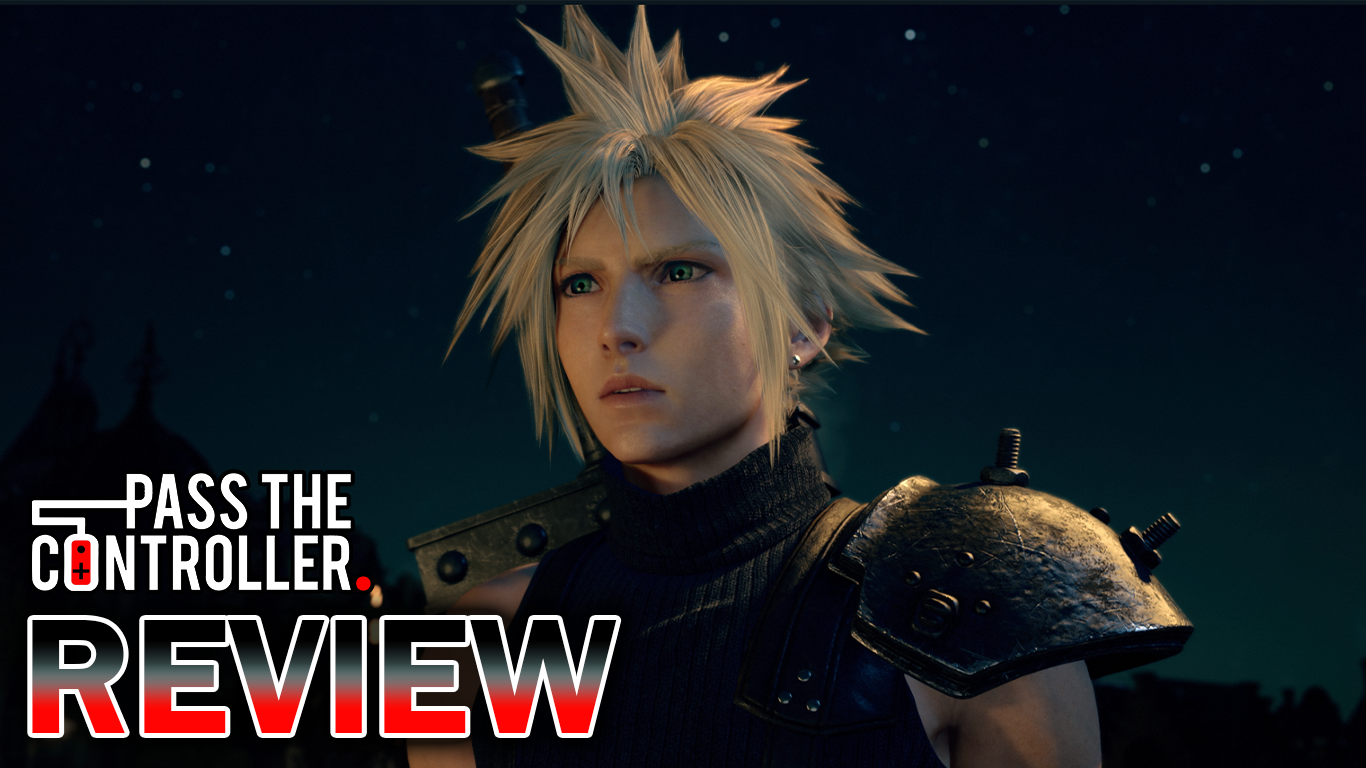
Birthing hollow promises beneath the splendor.
My relationship with Final Fantasy VII began with the PlayStation Underground demo disc and ended promptly thereafter. A hallmark game in a legendary series existing solely as a blip in my personal gaming history. It wouldn’t be until a little over two decades later that I’d find myself downloading Final Fantasy VII Remake on a whim and being intrigued enough to play the 1997 classic afterwards. My reverence for the cast and tale from Midgar and beyond grew in the years leading up to Rebirth having had time to stew in my own head. Eager to see how Final Fantasy VII Rebirth would continue to evolve this story and elevate the gameplay remained at the forefront of my encroaching excitement after Remake failed to light up my heart the way many others had been kindled. The sweeping narrative strokes teased, the anticipation of knowing where this middle game will part ways with us, and the promise of a grander adventure were welcome tickles on my salivating tongue. But, with the framing in place for the unknown journey ahead Final Fantasy VII Rebirth shows cracks in the foundation underneath a game that is ultimately a remarkable yet at times bewildering installment in what will surely be one of the most talked about games over the next few years.
Becoming reacquainted with Cloud Strife and the gang as well as the new portions of this world in the opening chapters of Final Fantasy VII Rebirth are a spectacle shimmering brighter than the rarest of materia. In broad strokes, seemingly all of the main party were injected with more nuanced growth in Rebirth and it’s upon their backs that the best moments of this game are carried. Even when parts of the main plot fall short, certain side quests built around party members offered deeper insight into their emotional tugs-of-war and often left me with more of a want to seek them out to grasp onto these conversations rather than gathering Gil or earning experience points. I think Final Fantasy VII Rebirth has made me care more about this cast than the OG or Remake ever could. Even the smaller moments in the background of exploring or off to the side in a cutscene I’d find little nuggets of dialogue that continued to build upon the appreciation I previously didn’t hold.
In one quest, Barret expresses his anxiety about grappling with being a good father as you meander through the task at hand. His remarks felt genuine and continued to bring more humanity into a world being destroyed by humans. Cloud’s normally stoic and oft-disinterested demeanor plays authentically when rubbed up against this reinvigorated albeit larger party as well as the population across the varied central locations. I audibly laughed more than once when a simple “No.” rained out of Cloud’s mouth in what almost feels like a comedic performance not a perfunctory display. These little slices continued throughout the adventure to varying degrees of depth and success, but mostly continued to garner more of my favor for the planet-saving posse.
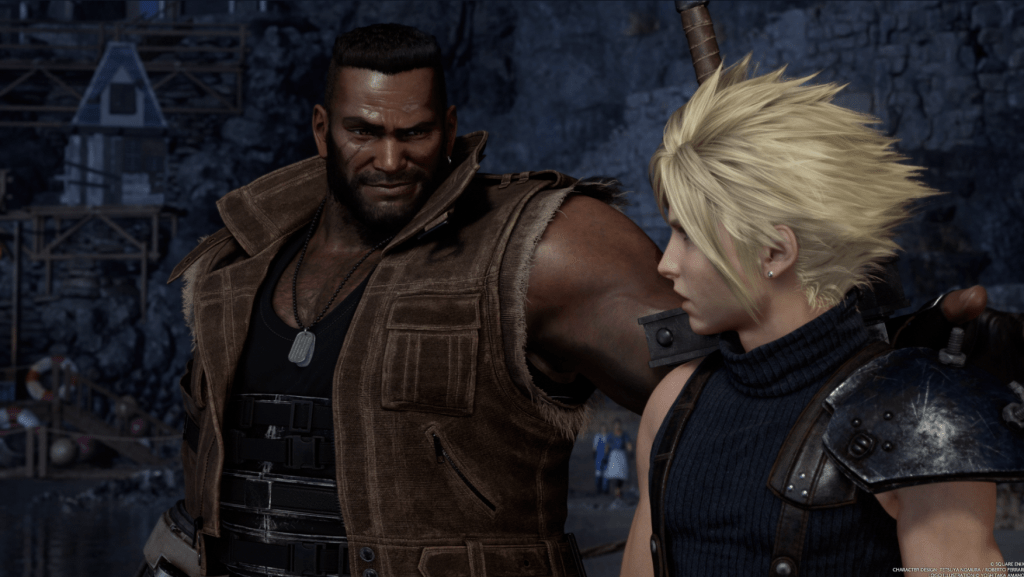
From the moments in Nibelheim to emerging into the Grasslands and the other regions across the world, the sense of scale and feeling of being on a grand adventure are almost always present. Central hubs teeming with quests, minigames, and Queen’s Blood players as well as the open world areas populated with a myriad of encounters and discoveries to be had all contributed to the successes and failings of a mostly stellar experience. The varied locations and time spent within the bounds of those areas more often than not kept my eyes glistened and my appetite whetted. Traversal in the open areas would occasionally feel more wooden than you’d expect, but the flow of gameplay surrounding odd climbing interferences or awkward hops off of a cliff would be quickly cast aside when stumbling upon a side quest, world intel, or an enemy encounter. Rebirth may never reach the pinnacle of open world games, but the loop that exists and the variety of questing and objectives littered throughout the map continued to delight each time I entered a new region.
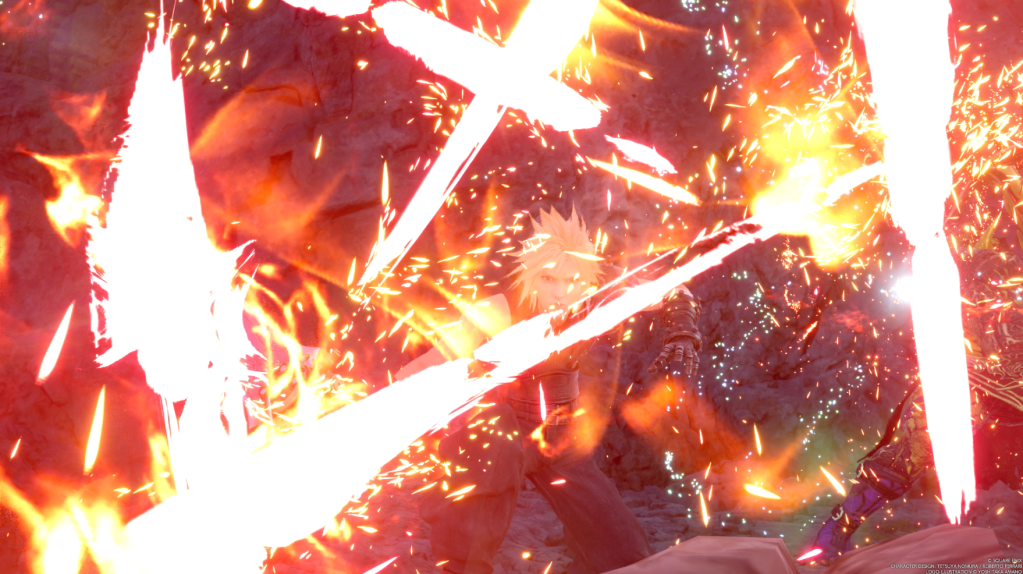
Combat in Final Fantasy VII Rebirth continues to be one of the peaks within the genre and one of the most satisfying elements of my almost 80 hours with the game. Tweaks and additions to this hybrid tactical yet fast paced system test your reflexes and battle acumen as you balance party members’ strengths and weaknesses against foes. With what at first may seem like a daunting battling system, once you become entrenched in how it operates and utilize your party effectively to pressure and stagger enemies the brain juices cascade into a waterfall of serotonin. Managing your Active Time Battle gauge across the party as you frequently dip in and out of fast paced attacking and methodical slower moments as you use abilities, items, or cast spells continues to ebb and flow almost rhythmically to the pulse of battle. The newer mechanics introduced through Synergy options awards you with an arsenal of newer abilities that party members can link up to deliver devastating blows or helpful aid. This unique combat system in Rebirth kept encounters of all sizes enticing and invigorating throughout the extent of my time and never once grew stale.
But not all that glitters is gold– or materia. It’s no secret that with Gold Saucer being a part of Rebirth that there were bound to be minigames aplenty, what I wasn’t expecting though were there to be minigames or sections that introduced new limited mechanics throughout most of the game. Which brings us to one of Rebirth‘s major flubs– its pacing. Specifically with the extended minigame portions and breadth of mandatory ones. There are at times too many moments that completely drained the lifestream out of me to the point where it was almost as if the game was trying to get me to dislike it. The breadth and detail to which certain things arise I will keep vague as some are tied to story missions or plot progression, but the certain swaths of gameplay that are heavily padded with these additional gameplay gimmicks marred my experience in ways I wasn’t anticipating. If more of these elements were introduced and then shuffled aside as optional or more of them were just optional, I think the overall flow and pace in which the game stumbles would have not weighed me down as much.
Let’s be clear though, not all of the minigames are bad and some of the experiences are wonderful including the exceptional Queen’s Blood. A highlight of Final Fantasy VII Rebirth for sure. Queen’s Blood is a card based game where you and your opponent must take turns playing cards in one of three lanes in hopes of outwitting and winning one or multiple lanes. Each card has a cost to play and points attached to them as well as additional spaces it will open up or potentially attack enemy cards with. Your goal is to successfully own as much real estate on each lane to outscore and block the other player from being able to play more cards. The level of strategy ingrained and the ability to unlock new cards to build new decks via shops or side quests kept me hunting for new rivals everywhere I went. Not to mention it’s own plot attached to seeking out every player. It was a surprise, it hit the warm and fuzzy parts of my brain when successfully building winning strategies, and offered some of the best kind of goofy fun wrapped around the characters involved. There will be some mandatory moments where the game introduces you to Queen’s Blood and my suggestion is continuing to see it through if the mechanics spark joy in your brain. I’d highly recommend seeking out the full questline attached to it as it was a genuine highlight of Rebirth for me.
A visually and aurally stunning achievement and experience, an engaging and gripping gameplay loop, and genuine and meaningful character moments are major reasons why Final Fantasy VII Rebirth is something special. However, the sheen loses some luster with the main plot. It could be a casualty of being the second game in a trilogy that’s a new interpretation of an old game or it could just be spaghetti blasted against the wall hoping some strands of pasta hold up. Either way certain aspects of the story being revealed throughout Rebirth left me quizzically dissecting theories I had to craft because certain aspects of what is happening seem to be left up to maybe too much interpretation. This doesn’t affect the story in it’s entirety but certain sections left this lingering feeling of wanting just a tad more concrete poured into what felt like a meteor sized crater in my head.
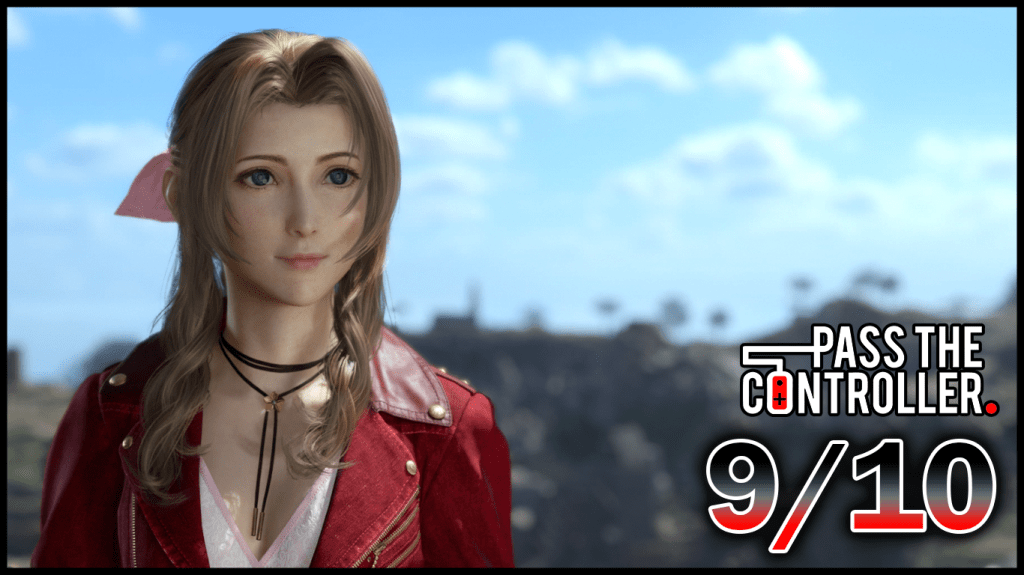
A marvel amongst the genre but just shy of a masterpiece, Final Fantasy VII Rebirth sets out to continue to defy the rules of what a video game remake can be and tries to reinterpret what many hold up as one of the greatest games of all time. Although some of my grumbles about Remake still persist within Rebirth the tremendous leap over what the second installment in this trilogy achieves in almost every facet places this sequel justifiably in the mako colored limelight it deserves. Issues with the pacing and specific story aspects nudge it off of its altar slightly but never knocked it off to the floor shattering in irredeemable ways. I fully expect my mind to continue to ponder the implications and events of Final Fantasy VII Rebirth until we are reunited. Until then, I’ll be waiting Cloud.
A more detailed and spoiler filled conversation about Final Fantasy VII Rebirth will be available as an episode on the Pass The Controller Podcast shortly after the game launches.
We reviewed Final Fantasy VII Rebirth on PlayStation 5 with a code provided by the developer.
Final Fantasy VII Rebirth releases February 29th, 2024 on PlayStation 5.
For all things FFVII Rebirth and RPG related, be sure to keep it locked to Pass The Controller. For a deeper dive on all things gaming and nerd culture, listen to the Pass The Controller Podcast with new episodes weekly on your favorite podcast platform. Want to continue the conversation with us and our community? Join our official Discord server.

 Pass The Controller
2 Comments